

World On A Plate: 5 Popular Cuisines In the World
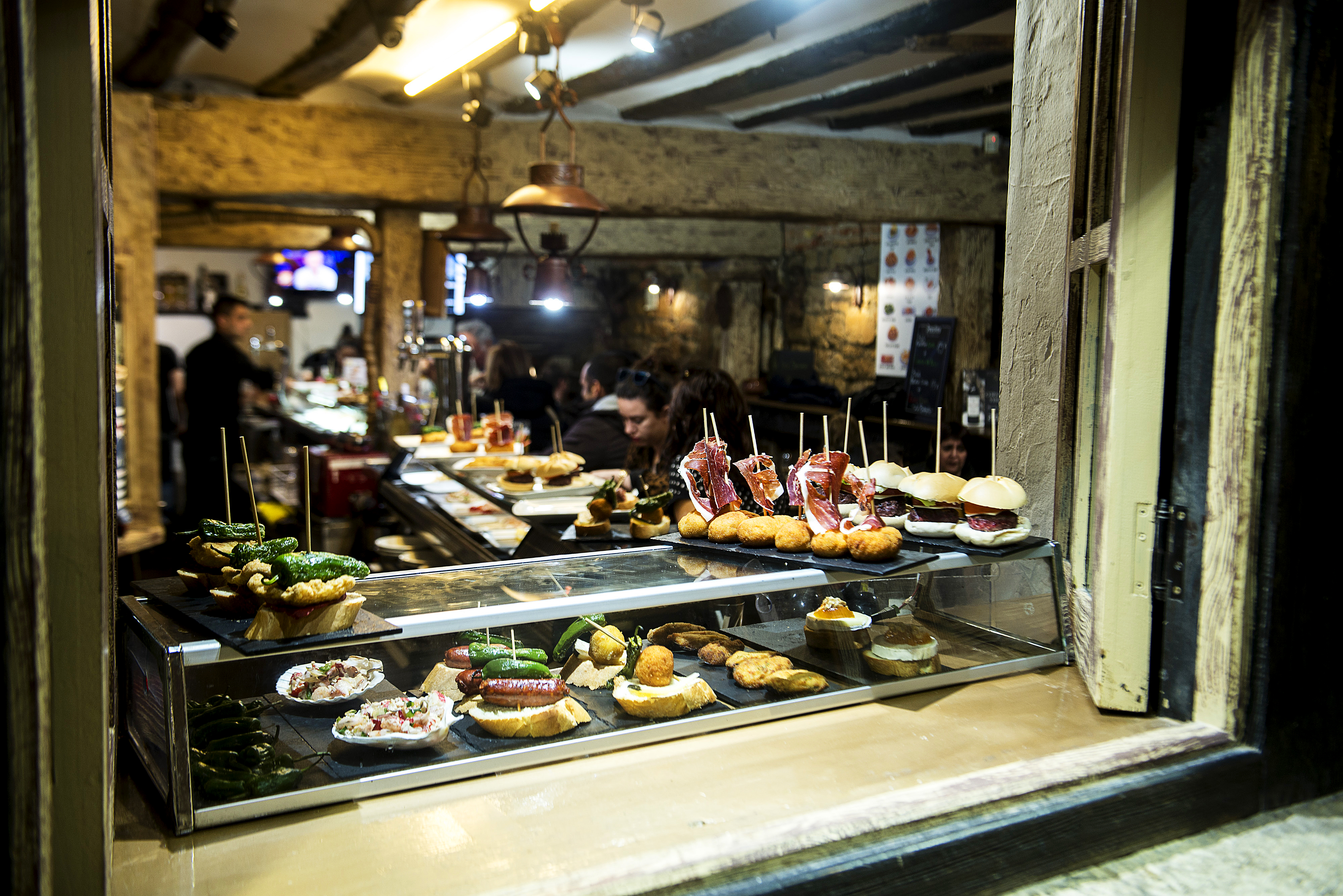
Eating is a significant part of any travel experience, and whether it’s enjoying a lamb and pear tajine in Morocco, some spicy jerk chicken in Jamaica or a selection of tapas in Spain, there’s nothing better than savouring a dish in its country of origin, plus it’s a great way to meet the locals. MOROCCAN It is said that in order for a nation to develop a great cuisine, it must have four prerequisites. A rich land from which to draw upon an abundant range of ingredients, a variety of foreign cultural influences, a great civilisation and lastly, a refined palace with royal kitchens to inspire the nation’s cooks. Morocco has it all, and is home to some of the most delicious food imaginable. From robust roasts to rich aromatic stews, spiced or sweetened salads to savoury pastries, fragrant mounds of couscous to bastilla, an exquisite blend of shredded pigeon, a spiced onion sauce with saffron and herbs encased in a flaky, filo-like pastry topped with cinnamon and sugar – an intricate dish that epitomises everything that is grand and extravagant in Moroccan cooking. One of the most interesting ways to absorb the delights of Moroccan cuisine is to wander through the souks (markets) of the towns and cities, sampling the food on offer. It’s early morning in old Fés and sunlight streams in slanted rays through the woven bamboo shades covering the narrow alleyways, catching the steam rising from the many cookers. Close to the city gate of Bab Bou Jaloud, one stallholder is busy cooking and serving a typical Moroccan breakfast, miklee – flaky pancakes with butter and honey. In a nearby fruit and vegetable souk, produce of every kind lines the street – juicy oranges from the sun-drenched groves of Agadir, vine-ripened tomatoes, plump mounds of grapes and preserved fruits and nuts. Entire shops are jam-packed with olives of all types; others display hanging baskets bulging with fresh mint, used to make mint tea that is traditionally served before and after a meal. At a spice souk, bright red paprika, rich yellow turmeric, dusty sticks of cinnamon, seeds of cumin, aniseed and caraway are heaped in tubs waiting to be measured into twisted envelopes of paper. These are some of the spices that form the soul of Moroccan cooking, transforming simple dishes to exotic heights. One of Morocco’s most famous dishes is the tajine or tagine. The name refers to the conical-lidded pot in which it is prepared, as well as the intricately spiced stew of meat and vegetables, sometimes with dried fruits and nuts, cooked very slowly over a charcoal fire. Typical tajine combinations include: lamb with pears and chicken with green olives and preserved lemons – simple yet delicious dishes that are often accompanied by thick wedges of crusty Moroccan flat bread, perfect for soaking up the sauce. JAMAICAN From fiery seasoned meat and inventive seafood dishes to oak-aged rums and hearty stouts, Jamaican cuisine is an eclectic mix of African, European and Indian influences – and is surprisingly healthy and varied. Although many