

Satun’s Top 8 Secret Spots And Fun Activities
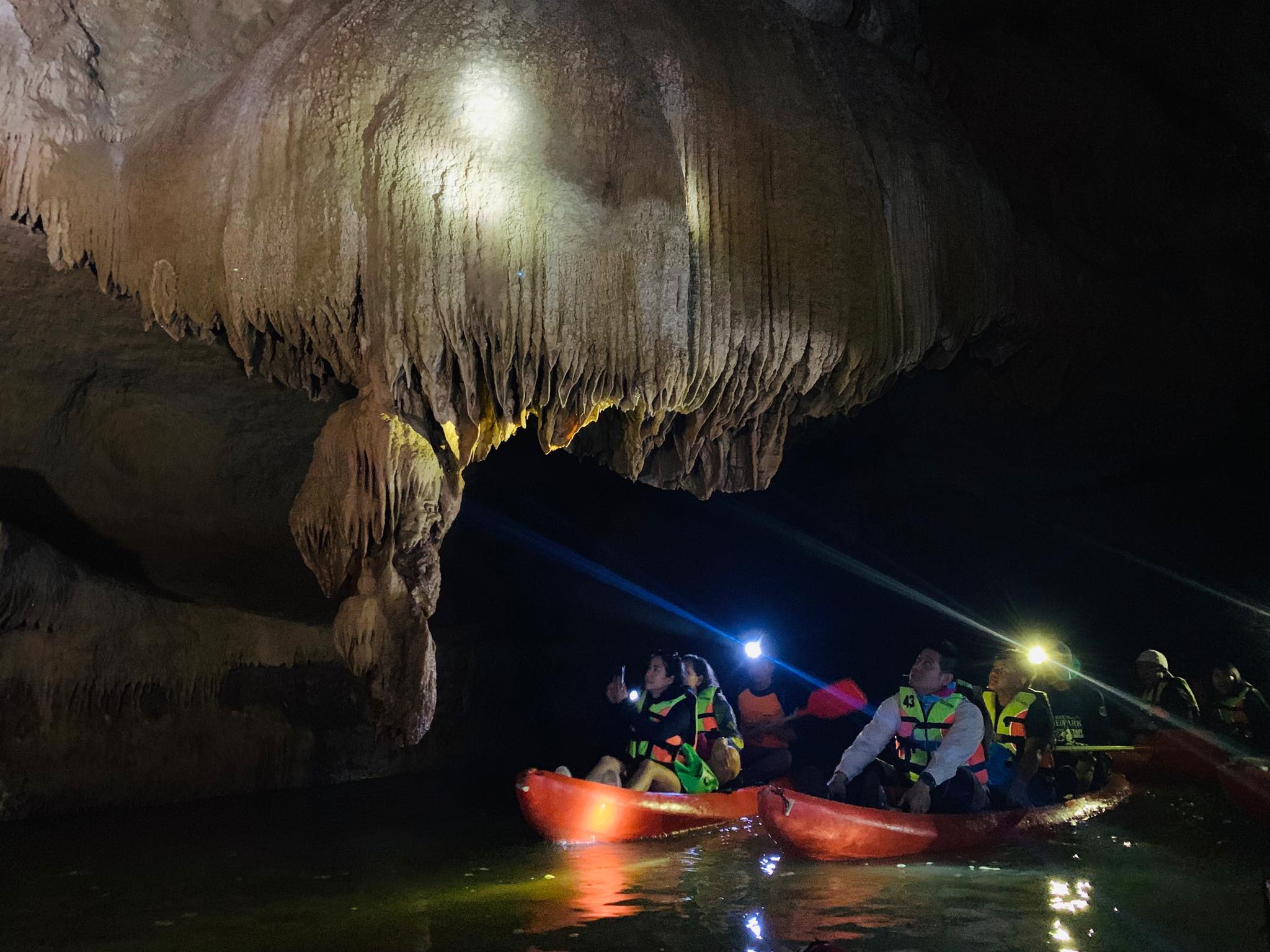
Located on the western coast in the South of Thailand, Satun is a small and tranquil province next to the Malaysian – Thai border. There is an abundance of pristine nature and mountainous forests with more than eighty beautiful surrounding islands. The well-known and famous islands are Muko Tarutao, Muko Adang – Rawi, and Muko Phetra. In 2018 Satun was nominated Thailand's first Unesco Global Geopark for its renowned natural beauty and geological significance. Here are the top 8 secret spots and fun activities to do in Satun Geopark. → ‘Stegodon Sea Cave’ Formerly called ‘Tham Wang Kluai’, ‘Tham Le Stegodon’ is a sea cave with seawater intrusions depending on sea levels, which is why it is also known as ‘Tham Le’. The cave is renowned after the discovery of elephant and rhino fossils from Pleistocene Epoch, especially the Stegodon elephants, which became the cave’s name. Stegodon Sea Cave is positioned inside a limestone mountain range, curving into different directions. The distance from the entrance to the exit point of the cave is approximately 4 kilometers, which is considered to be the longest cave in Thailand. Tourists can tour the cave on a small canoe boat and enjoy the beauty of stalactites and learn about 500 million years old ancient creature fossils that were found within. → Satun Geopark Museum Satun Geopark Museum was founded to provide academic information, promote scientific studies and youth participation and to raise locals' environmental awareness, encouraging them to find ways to preserve Satun's Geological areas. Artifacts are exhibited on tables and walls, with signs describing their stories. The displaying exhibitions within the museum include Ancient fossils found in Satun, Satun geological information, Satun geographical 3D model, Satun Geopark section and Rocks exhibition. → Mu Ko Phetra National Park Mu Ko Phetra National Park consists a part of the Andaman sea with islands, mountains, and plateaus between mountains and the sea. The national park spread with an area of 3 kilometers from the coast. The sea area of this national park consists of 22 islands, lying from north to south. The islands are unique for their steep eroded limestone caves, sinkholes, cliffs and ridges, which was the result of coastal erosion and sea tides. Apart from going island hopping on tourist boats, visitors can also enjoy diving in different areas of the national park and be amazed by the colorful ocean ecosystem filled with sea creatures, coral reefs, coral algae, and rare sea anemones. One of the must-visit tourist attractions is Khao To Ngai Fault Plane, where Mu Ko Phetra National Park headquarters is located. Known in Thai as 'Khao To Ngai Time Crossing Zone', the fault plane consists of rocks from two different geological periods including red sandstones from the Cambrian period (542 - 488 million years) and limestones from the Ordovician period (488 - 444 million years). Therefore, walking on the coastal bridge along this natural wonder can make you feel like walking through different time periods. → Tarutao National Marine Park The name 'Tarutao' was derived from the word 'Ta lo trao', which could mean